

Ensuring community safety requires more than just reacting after an accident occurs; it demands proactive analysis of why conflicts happen in the first place. When evaluating public safety, examining canine behavior in shared environments is critical. Implementing effective dog bite incident prevention strategies begins with understanding the specific environmental stressors and behavioral triggers that can lead to unexpected aggression in public spaces.
The Importance of Behavioral Incident Analysis

Most dog bites and aggressive encounters do not happen in a vacuum. When analyzing past incidents in neighborhoods, parks, and commercial walkways, investigators and animal behaviorists frequently find a sequence of missed warning signs and unmanaged environmental pressures. Dogs communicate primarily through physical posture, vocalizations, and behavioral changes long before they resort to biting.
By studying these patterns, community members, pet owners, and pedestrians can learn to recognize high-risk situations early. Shifting the focus from blame to environmental awareness allows neighborhoods to foster safer spaces for both people and pets.
Decoding Subtle Canine Body Language
A common misconception is that dogs snap without warning. In reality, most dogs give multiple subtle signals indicating that they feel uncomfortable, anxious, or threatened. Recognizing these pre-emptive cues is vital for avoiding physical altercations:
- Stiffening Posture: A sudden freezing of the body or rigid muscles often indicates heightened alertness or defensive tension.
- Avoidance and Lip Licking: Frequent tongue flicking, yawning when not tired, or turning the head away are classic pacifying signals showing stress.
- Direct Staring: Prolonged, unbroken eye contact combined with a lowered head is frequently a territorial or defensive warning.
- Tail Positioning: While a wagging tail often means friendliness, a stiff, high-held, or slowly vibrating tail can signal high arousal and potential unpredictability.
Paying attention to these signals allows pedestrians to give animals the space they need, preventing escalation before a defensive reaction occurs.
Common Environmental Triggers in Public Areas
Public environments are filled with unpredictable stimuli that can easily overwhelm even a well-socialized dog. Understanding these common triggers helps explain why incidents frequently occur in specific settings:
Overcrowded Walkways: Tight sidewalks, bustling outdoor dining patios, and crowded community festivals force dogs into close proximity with strangers, children, and other animals. This lack of personal space can trigger a claustrophobic or defensive response.
Sudden Auditory and Visual Shocks: Loud noises such as sirens, skateboard wheels, bicycle bells, or dropped objects can startle a resting or walking animal, provoking a reflexive snap or lunge.
Uncontrolled Off-Leash Encounters: When an unrestrained dog rushes up to a leashed animal that feels trapped or territorial, the dynamic instantly shifts toward conflict. Leash laws exist precisely to maintain predictable boundaries and prevent these high-stress surprises.
Actionable Safety and De-escalation Steps for Pedestrians
When walking through parks or residential neighborhoods, individuals can protect themselves by adopting mindful habits and knowing how to respond if they encounter an agitated animal:
- Maintain Distance: Always give unfamiliar dogs a wide berth, especially if they are tied outside a shop or reacting to passing traffic.
- Avoid Direct Eye Contact: Staring directly into a dog’s eyes can be interpreted as a challenge. Keep your gaze neutral or look away.
- Stand Still Like a Tree: If an unfamiliar or aggressive dog approaches, stop moving, keep your arms close to your sides, and avoid running, which can trigger a predatory chase instinct.
- Ask Before Approaching: Always ask the owner for permission before attempting to pet a dog, and let the animal sniff the back of your closed hand at a calm distance first.
For detailed legal standards regarding animal control, public safety codes, and local ordinances, reviewing resources provided by the Centers for Disease Control and Prevention offers valuable public health perspectives on animal safety.
Community Responsibilities and Owner Accountability
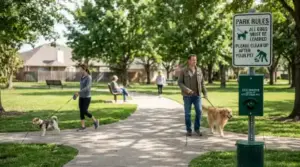
While public awareness is essential, pet owners carry the primary responsibility for preventing incidents. Responsible ownership in public spaces involves continuous supervision, proper socialization, and strict adherence to local leash laws.
Owners must learn to advocate for their pets by recognizing when an environment is too stressful. Removing a reactive dog from a noisy park or crowded street prevents overstimulation and protects everyone in the vicinity. Additionally, ensuring that pets are up-to-date on vaccinations and obedience training creates a safer baseline for community interaction.
To explore broader animal welfare standards, community safety guidelines, and municipal animal control resources, organizations such as the American Society for the Prevention of Cruelty to Animals provide extensive educational programs on behavior and responsible pet management.
Fostering Safer Neighborhoods Through Education
Preventing canine incidents in public spaces requires a collaborative community effort grounded in education, empathy, and vigilance. By understanding the root causes of animal aggression, respecting subtle behavioral warnings, and practicing responsible ownership, we can significantly reduce the risk of injuries.
Education empowers both pedestrians and pet owners to navigate shared spaces safely. Through ongoing awareness and proactive caution, communities can ensure that outdoor recreation remains a safe and enjoyable experience for everyone.