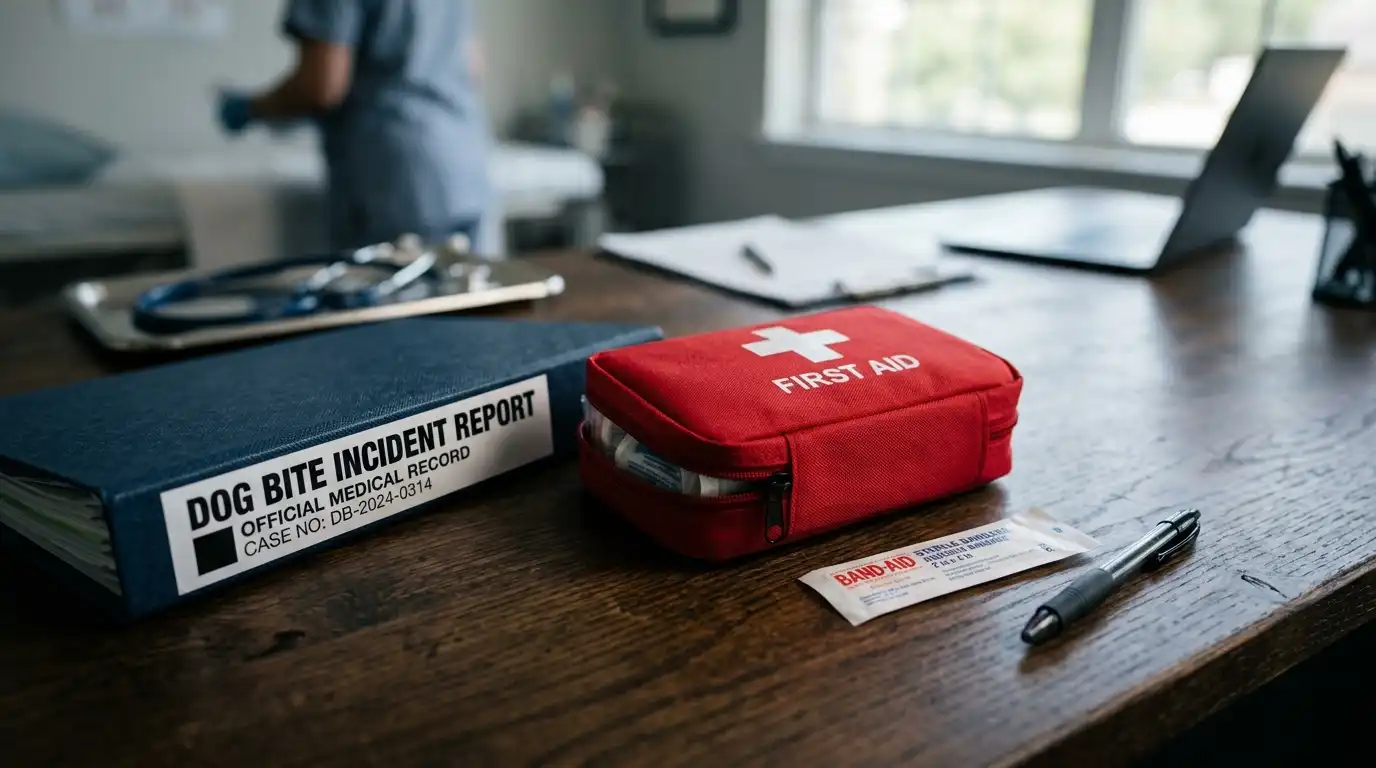
The moments immediately following a dog attack can feel overwhelming, but taking the right steps early on is crucial for both your physical recovery and protecting your rights. First and foremost, prioritize emergency medical attention, even if a bite seems minor. Canine bites carry a high risk of bacterial infection, tissue damage, and nerve complications that may not be instantly visible. Once medical safety is secured, documenting the details becomes essential. Obtain the dog owner’s name and contact details, ask for proof of rabies vaccination, and gather contact information from any eyewitnesses. Take clear photos of all visible injuries, torn clothing, and the exact location where the incident occurred. Additionally, report the attack to your local animal control or police department to ensure an official report is generated.
1. Seek Immediate Medical Evaluation
 The absolute priority after any canine attack is securing professional medical treatment. Even minor punctures or superficial scrapes carry a high risk of severe bacterial contamination, including Pasteurella multocida, Staphylococcus, and Streptococcus. Prompt wound debridement and antibiotic therapy are crucial to preventing deep-tissue infections, permanent scarring, or nerve damage.
For detailed medical protocols and infection control guidelines, consult the official CDC Guide on Dog Bite Prevention and Care.
2. Identify the Dog and the Owner
If safe to do so, gather essential details about the animal and its handler before leaving the scene. Obtaining this information is critical for rabies verification and establishing liability:
- Owner Contact Information: Name, phone number, physical address, and email.
- Vaccination Records: Request rabies vaccination status and the name of the dog’s veterinarian.
- Witness Information: Collect names and phone numbers of any bystanders who saw the attack unfold.
3. Document the Incident Thoroughly
Detailed documentation forms the backbone of any insurance claim or legal inquiry. As soon as possible, create a clear record of the events while details remain fresh:
- Photograph Injuries: Take high-resolution photos of all bite marks, bruising, lacerations, and torn clothing.
- Photograph the Location: Capture images of the exact site where the attack happened, noting missing fences, broken gates, or absent warning signs.
- Maintain a Symptom Log: Keep a daily journal tracking pain levels, mobility restrictions, and psychological distress.
4. Report the Attack to Local Authorities

Filing a formal report with local animal control or police agencies creates an official government record of the attack. Authority intervention ensures the animal undergoes mandatory quarantine protocols to rule out rabies and helps identify whether the dog has a documented history of prior aggression.
5. Preserve Evidence and Financial Records
Keep a dedicated file containing every document related to the incident. Save all medical bills, prescription receipts, emergency room discharge summaries, and records of missed workdays. These metrics establish the true financial and physical impact of the injury during recovery assessments.